

Home Design Psychology: How Space Affects Behavior
Our homes do more than provide shelter—they shape how we feel, behave, and function every day. Through the lens of home design psychology, we can see how elements like color, layout, and texture quietly guide our emotions, decisions, and routines. Whether it’s the calming effect of soft lighting or the energizing power of a well-placed mirror, the spaces we live in subtly influence our mental and emotional health.
By understanding the science of design and its effect on the human mind, you can transform any living space into a supportive, behavior-boosting environment.
Understanding Home Design Psychology
Definition and Core Concepts
Home design psychology is an interdisciplinary field that combines interior design with environmental and behavioral psychology. It focuses on how physical environments—such as your home—affect your thoughts, emotions, and actions.
The Science Behind It
Studies in neuroscience and cognitive behavior show that surroundings influence cortisol levels (stress hormone), dopamine (pleasure hormone), and even heart rate. The color of your walls, lighting setup, and layout all send subtle signals to your brain, shaping your daily behavior.
The Role of Color in Emotional Well-being
Color Psychology in Interior Design
Color plays a pivotal role in home design psychology. It can set the emotional tone of a space, affecting everything from your productivity to your sleep quality.
How Colors Influence Mood: Room-by-Room
| Room | Recommended Colors | Effect on Mood |
|---|---|---|
| Bedroom | Soft blues, lavenders | Promotes calm and sleep |
| Kitchen | Yellows, warm whites | Encourages appetite and warmth |
| Office/Study | Light green, neutral gray | Enhances focus and balance |
| Living Room | Earth tones, forest green | Boosts relaxation and grounding |
Avoiding Overstimulation
Avoid using highly saturated or contrasting colors in rooms meant for rest. For example, a bright red bedroom may trigger anxiety or sleep disturbances.
Furniture Layout and Cognitive Flow
The Psychology of Spatial Arrangement
The way your furniture is arranged can either support or disrupt your mental clarity. A cluttered layout often leads to cognitive overload, while open and intentional arrangements help reduce decision fatigue.
Zoning for Purposeful Living
Use layout to define zones:
- Work zone: Desk facing away from bed, good task lighting
- Relax zone: Comfortable chair, soft lighting, blankets
- Dining zone: Circular tables for inclusive conversations
The “Flow” Principle
Encourage natural traffic flow and accessibility. This reduces subconscious tension and enhances feelings of freedom and autonomy.
Texture and Material: Touch and Emotional Response
Tactile Sensory Experience
Touch influences comfort. The textures and materials in your home send emotional cues to the brain:
- Velvet: luxurious, relaxing
- Wool: warm, cozy
- Marble or metal: clean, professional
Balancing Aesthetic and Comfort
A home that looks beautiful but feels uncomfortable can cause psychological dissonance. Balance tactile comfort with visual appeal for a truly supportive environment.
Lighting Design and Its Psychological Impact
Types of Lighting and Their Effects
- Natural light: boosts serotonin, reduces depression
- Warm lighting: lowers blood pressure, calms the nervous system
- Cool lighting: increases alertness and productivity
Lighting Zones for Better Functionality
Use lighting to reinforce the function of each room:
- Bedrooms: dimmable lamps or soft pendants
- Kitchens: bright overhead + under-cabinet task lights
- Living rooms: layered lighting (ambient + accent)
Personalization and Identity in Interior Spaces
Why Personalization Matters
A home that reflects your identity supports a sense of belonging and emotional safety. Personal items act as memory anchors, boosting happiness and reducing stress.
Simple Ways to Personalize Your Space
- Display family photos or travel souvenirs
- Use your favorite color in accents or wall art
- Incorporate hobbies into design (reading nook, art wall, etc.)
The Role of Control
Having control over your environment boosts feelings of autonomy and reduces anxiety—key pillars of positive mental health.
Designing Spaces to Influence Behavior
Behavior-Based Design Planning
Plan spaces based on intended behaviors. Want to eat healthier? Create an inviting kitchen. Need more rest? Prioritize bedroom serenity.
Examples of Targeted Design
| Behavior Goal | Design Strategy |
|---|---|
| Better focus at work | Isolated workspace, natural light, minimal distractions |
| Healthier eating | Open kitchen with organized pantry |
| Improved sleep | Blackout curtains, cool-toned walls, scent diffusers |
| Stronger family bonds | Cozy, shared living areas with face-to-face seating |
FAQs about Home Design Psychology
Can changing my home’s design really affect my mental health?
Yes. Studies confirm that elements like light, color, and layout can impact mood, concentration, and stress levels.
Is there a universal best color for mental wellness?
Not exactly, but cool colors like blue and green are generally calming, while warm tones like yellow promote cheerfulness.
Can I apply home design psychology without hiring a designer?
Absolutely. Start with small, intentional changes like adjusting lighting, rearranging furniture, or decluttering a room.
How does clutter influence brain function?
Clutter overwhelms the visual system and impairs cognitive processing, making it harder to focus or relax.
Is this useful for small apartments too?
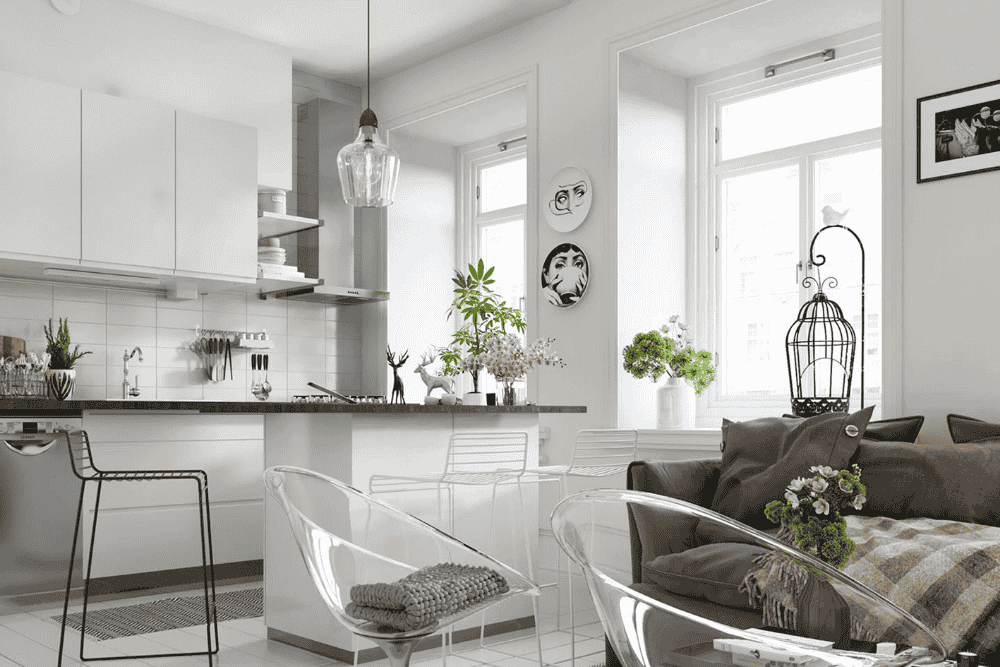
Yes! Even a studio apartment can be optimized using strategic layout, light control, and smart storage.
Are there any books or resources you recommend?
Yes, books like “The Architecture of Happiness” by Alain de Botton and “Joyful” by Ingrid Fetell Lee explore related concepts deeply.