

Interior Design Budget: Style your home smartly
Creating your dream home doesn’t have to come with a nightmare price tag. With a well-structured interior design budget, you can transform your space with intention, flair, and financial wisdom. Many homeowners dive into design projects without a clear financial plan, only to find themselves overwhelmed or over budget. This guide will help you create and stick to a practical design budget—so you can get the space you want, without unnecessary stress.
Why Setting an Interior Design Budget is Essential
Budgeting isn’t about restricting your creativity—it’s about helping it flourish within realistic financial boundaries. Here’s why it’s essential:
Helps You Stay on Track
Without a clear interior design budget, even the best ideas can become chaotic and costly. A structured budget keeps your project focused and on time.
Eliminates Decision Fatigue
When you know your spending limits, you can quickly eliminate options that don’t fit, making decisions faster and easier.
Prevents Overspending and Delays
Running out of funds mid-project is a common issue. Budgeting ensures you don’t overextend yourself, reducing the risk of delays or unfinished spaces.
How to Create a Realistic Interior Design Budget
Creating a thoughtful and realistic budget means breaking down your costs clearly and strategically.
Step 1: Set Your Overall Budget Limit
Know how much you can afford. This could include savings, planned monthly spending, or financing options.
Step 2: Assign Room-Wise Budgets
Break down your budget by space:
- Living Room: $2,000
- Kitchen: $3,500
- Bedroom: $1,500
This allows more focused and accurate spending.
Step 3: Allocate Spending Categories
Distribute funds across essential categories:
- Furniture & Lighting
- Wall Treatments
- Flooring
- Labor & Contractor Fees
- Accessories and Decor
Step 4: Prepare for the Unexpected
Set aside a contingency buffer—10-15% of your total budget—to cover surprise expenses or changes.
High-Impact Low-Cost Design Ideas
You don’t need deep pockets to make a strong visual statement. These ideas deliver style on a shoestring.
Refresh with Paint and Wall Art
- Bold accent walls or soft neutral palettes can change the mood of a room instantly.
- DIY or thrifted art adds unique character affordably.
Swap Lighting for Instant Elegance
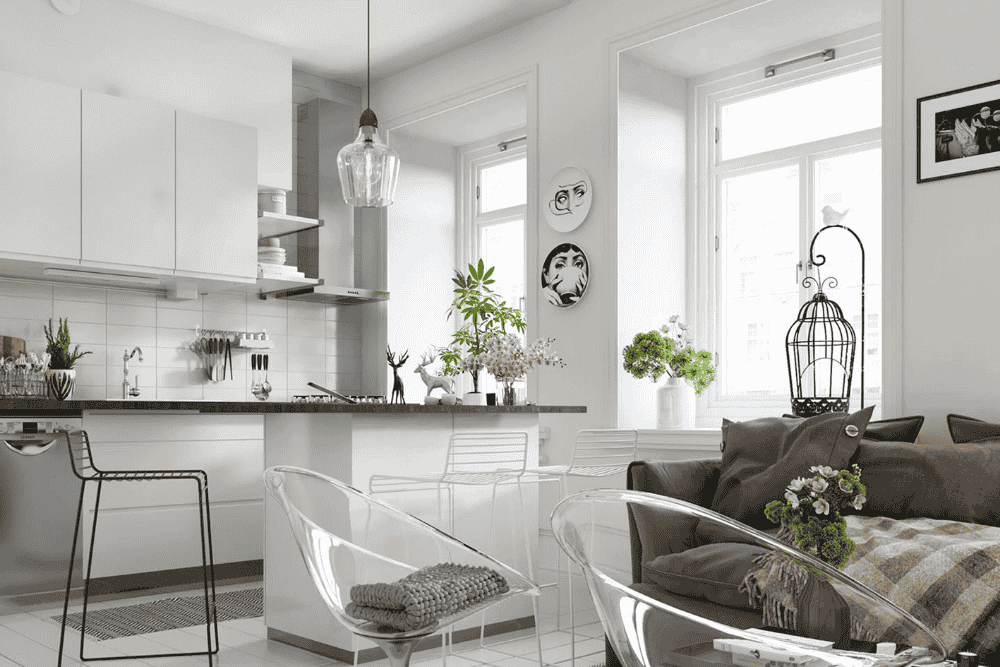
Upgrading outdated lighting fixtures can completely transform your room’s ambiance.
Layer with Textures and Fabrics
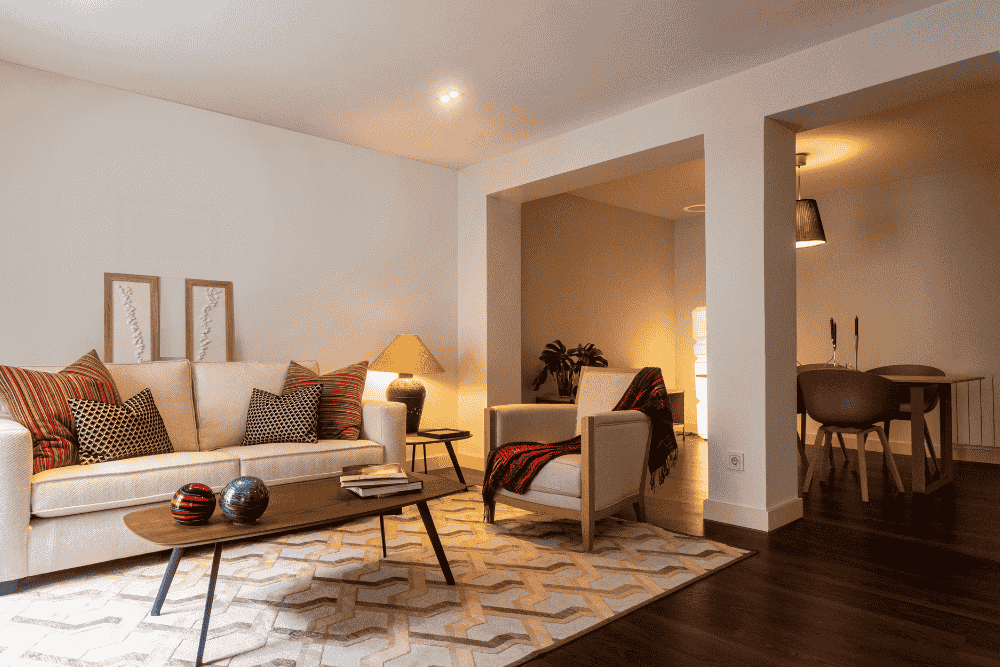
Throw pillows, rugs, and curtains offer quick and inexpensive ways to add depth, warmth, and personality.
Prioritizing Your Spending: Where to Splurge and Save
Not all design elements are equal. Knowing where to invest makes your budget work harder for you.
Where to Splurge
- Seating: Invest in high-quality sofas and chairs for comfort and longevity.
- Lighting: A good fixture can become a design centerpiece.
- Flooring: Durable, timeless floors increase value and reduce long-term costs.
Where to Save
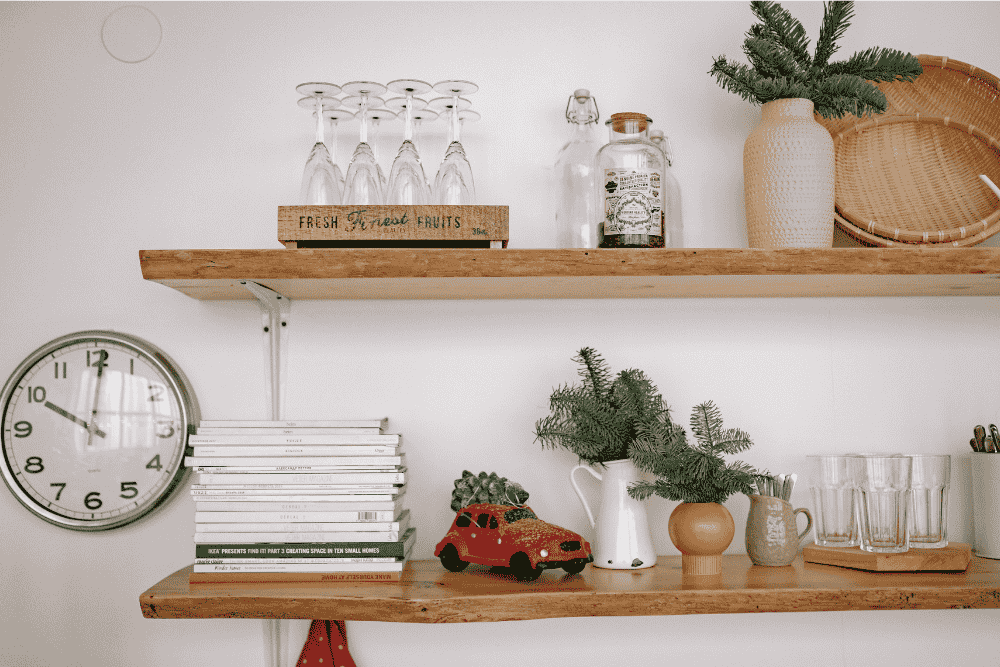
- Accessories: Trendy items can be swapped out seasonally.
- Curtains & Bedding: Great-looking options are available at budget-friendly stores.
- Side Tables & Decor: Secondhand stores and online marketplaces offer hidden gems.
Common Budgeting Mistakes to Avoid
Avoiding these pitfalls can save you time, money, and stress.
Mistake #1: Skipping the Planning Phase
Jumping in without a plan is a guaranteed way to overspend.
Mistake #2: Not Tracking Expenses
Use budgeting tools or a simple spreadsheet to monitor every purchase.
Mistake #3: Over-Customizing Everything
Custom work is beautiful but often unnecessary. Save it for key areas only.
Mistake #4: Underestimating Labor Costs
Many forget to include professional service fees until they receive the invoice.
Tools and Resources for Interior Budget Planning
Leverage technology and professional insights to guide your budgeting decisions.
Budget Tracking Apps
- Mint: Helps track personal and project expenses.
- HomeZada: Specifically designed for home improvements.
- Planner 5D: Great for visualizing designs before purchasing.
Affordable Shopping Platforms
Explore Wayfair, IKEA, Overstock, and Facebook Marketplace for affordable, stylish finds.
Design Inspiration Sources
Pinterest, Houzz, and Instagram offer endless ideas tailored to all budget levels.
FAQs About the Interior Design Budget Topic
What’s a good starting budget for redesigning one room?
Start with $1,500–$3,000 depending on the room’s size and function. Living rooms and kitchens may require more.
Can I still hire a designer on a tight budget?
Yes. Many offer flat-rate consultations or hourly packages to help guide your project efficiently.
How can I stick to my budget without feeling limited?
Use layering, lighting, and color to create impact. Splurge on focal items, and save on accents.
Is DIY really cost-effective for interior design?
Absolutely! DIY projects not only save money but also add a personal touch to your space.
Should I furnish everything at once?
No. Take a phased approach—focus on essentials first and build out over time to avoid debt or rushed decisions.
What if unexpected costs come up mid-project?
This is where your contingency fund helps. Always reserve 10–15% of your total budget for surprises.