

Interior Design Trends: What’s Shaping 2025 Interiors
Interior design trends for 2025 are transforming how we live, blending comfort, sustainability, and smart functionality. As homes continue to reflect our evolving lifestyles, the focus is shifting toward spaces that are intentional, versatile, and deeply personal. From biophilic touches to multifunctional layouts, these trends are shaping interiors that feel as good as they look.
Let’s explore the major interior design trends making waves in 2025—and how you can bring them into your home.
The Evolution of Interior Design in 2025
From Aesthetic to Experiential Design
Designers are focusing more on how spaces feel rather than just how they look. 2025 is seeing a shift toward interiors that support emotional wellness, foster connection, and enhance daily living.
Global and Cultural Influences
There’s a growing appreciation for global aesthetics—African textures, Scandinavian minimalism, and Japanese wabi-sabi—blended seamlessly into one’s personal space.
Soft Neutrals and Earthy Palettes Dominate
Color Trends Rooted in Nature
Soft, muted colors are setting the tone for calm, welcoming spaces. Popular choices include:
- Warm taupes and beige
- Earthy terracottas
- Muted olive greens
- Stone greys and off-whites
Layering for Visual Interest
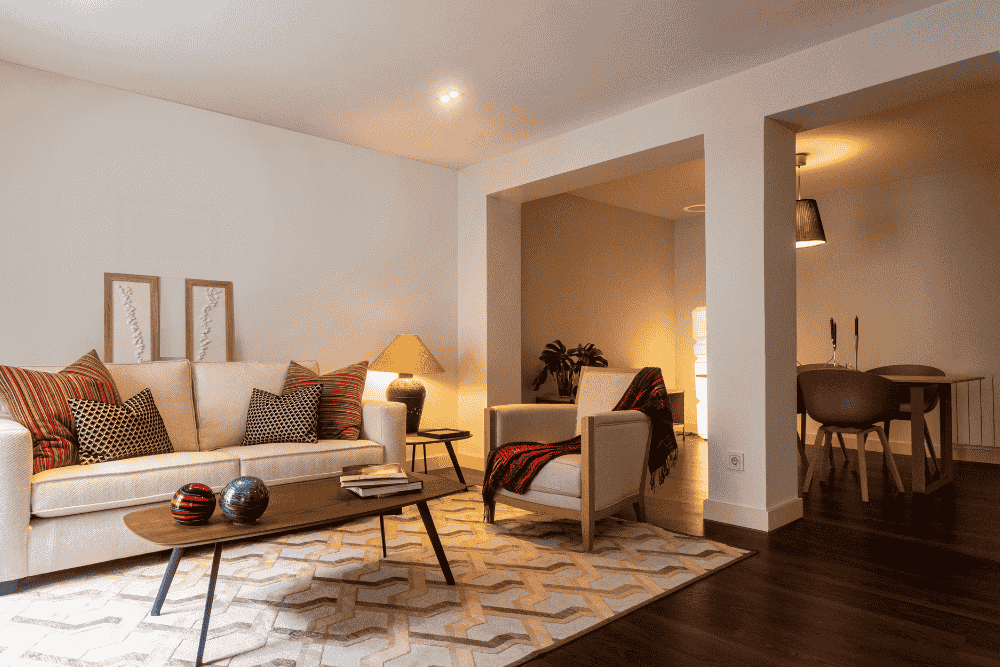
Neutrals are being paired with rich textures like wool throws, ceramic vases, and natural woods to add depth and warmth without overwhelming the senses.
Biophilic Design: Bringing Nature Indoors
A Deeper Connection to Nature
Biophilic design uses natural elements to enhance our connection to the outdoors, improving mental clarity and relaxation.
How to Use Biophilic Design at Home
- Add greenery: Snake plants, monstera, and hanging ivy
- Incorporate natural materials: Reclaimed wood, stone, rattan
- Let the light in: Large windows, skylights, and sheer curtains
- Use organic shapes and patterns: Leaf prints and flowing lines
Multifunctional and Flexible Living Spaces
Homes That Adapt to Your Life
Open-concept layouts are being reinvented with zones and partitions to serve different needs—work, play, and rest.
Smart Layout Solutions
- Foldable desks and Murphy beds
- Sliding room dividers
- Convertible storage solutions
- Dual-purpose kitchen islands
Flexibility is key, especially in urban spaces where square footage is limited but lifestyle demands are not.
Smart Homes and Tech-Integrated Design
Design That Disappears Into the Background
Smart tech is now embedded invisibly within interiors, enhancing convenience while preserving aesthetics.
Trending Smart Features
- Voice-controlled lighting and blinds
- Smart mirrors with temperature and news updates
- Invisible sound systems and wireless charging tables
- Energy-efficient appliances and climate controls
Tech isn’t just a luxury—it’s a lifestyle enhancer when done right.
Sustainable Materials and Eco-Friendly Choices
Designing with a Conscience
Eco-friendly design is more accessible and appealing than ever, making sustainability a top priority for homeowners and designers.
Popular Sustainable Options
- Reclaimed and recycled woods
- Natural fiber textiles like hemp and bamboo
- Non-toxic, low-VOC paints
- Antique and vintage furnishings
Designing sustainably also often means investing in quality—pieces that last longer and reduce the need for constant replacement.
Artisan Accents and Personalization Trends
Handcrafted Details Make a Big Impact
In 2025, design is less about mass production and more about telling a personal story through curated items.
Ways to Personalize Your Space
- Locally made decor items
- Vintage or one-of-a-kind art
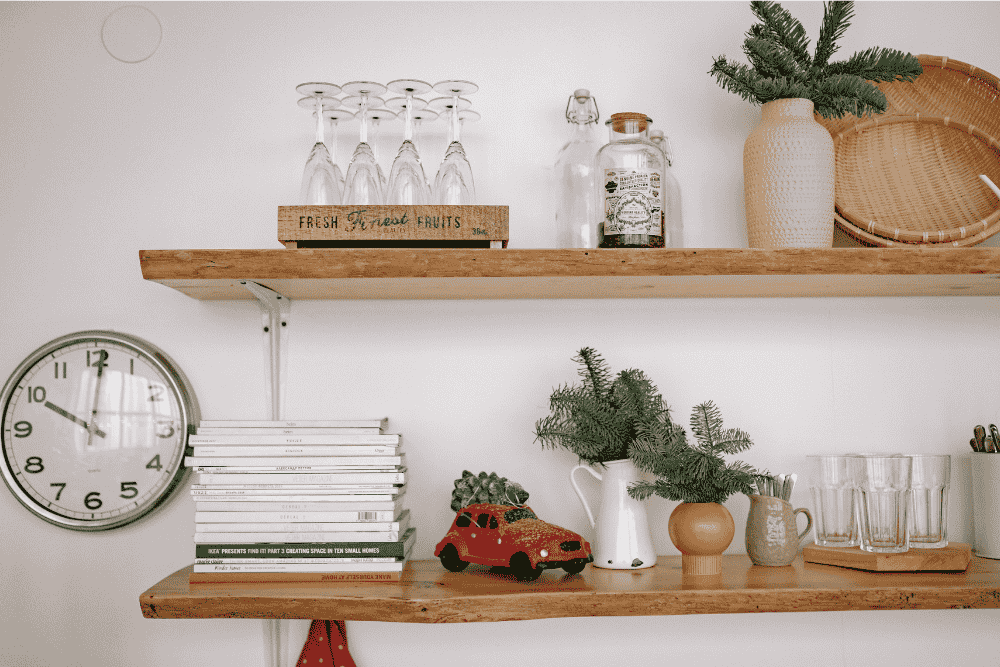
- DIY custom shelving or display areas
- Textiles from your heritage or travels
This trend encourages you to showcase your identity, making your home truly feel like you.
FAQs About Interior Design Trends for 2025
1. What are the top interior design trends this year?
Soft neutral palettes, natural materials, flexible layouts, tech integration, and artisan touches are leading the way.
2. How do I make my home more biophilic?
Use indoor plants, maximize natural light, and decorate with wood, stone, and earthy tones.
3. Are smart homes expensive to implement?
Not necessarily. You can start small with smart bulbs, thermostats, or plugs and scale up as needed.
4. What are some easy sustainable swaps?
Choose second-hand furniture, switch to eco-friendly paint, and invest in long-lasting materials.
5. Can I mix modern and vintage design?
Yes! Mixing new and old adds character and warmth—just keep the color palette cohesive.
6. How do I make a small space multifunctional?
Use furniture that serves dual purposes, install wall-mounted desks, and define zones with rugs or lighting.