

Living Room Design: Ideas to Balance Style and Function
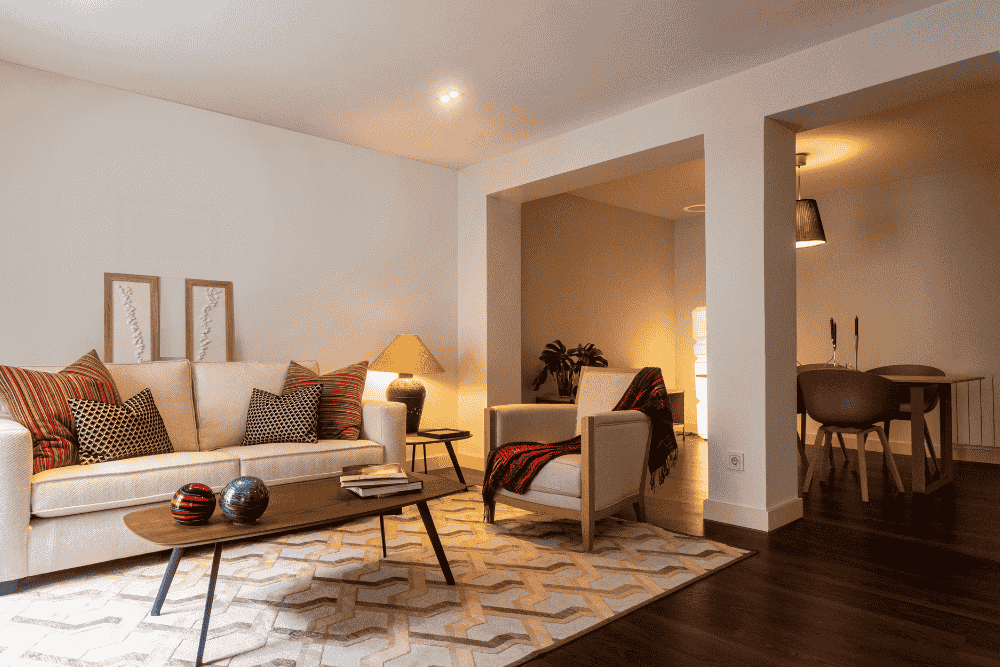
Living room design is central to creating a welcoming, practical, and visually appealing home. As one of the most frequently used spaces, it plays a vital role in daily living and social interaction. It needs to serve multiple functions—acting as a place for relaxation, family gatherings, entertaining guests, and sometimes even remote work—without compromising on comfort or style. A well-thought-out living room design not only enhances functionality but also sets the overall tone for the rest of the home, making it a true reflection of your lifestyle and personality.
How to Balance Style and Function When Choosing Living Room Design
Achieving a harmonious living room design means thoughtfully blending form and function.
Create Functional Zones
- Define areas for different activities like reading, watching TV, or working from home.
- Use rugs, lighting, and furniture arrangements to separate spaces.
Maintain a Clear Flow
- Ensure easy navigation with wide walking paths.
- Avoid placing large furniture in traffic zones.
Keep Utility in Mind
- Include furniture with hidden storage.
- Choose surfaces that are durable and easy to clean.
Furniture: The Foundation of Great Living Room Design
Furniture plays a crucial role in both the look and functionality of your space.
Choose the Right Sofa
- Go for comfort and support, especially if you lounge often.
- Sectionals work great in large rooms; loveseats suit compact spaces.
Add Smart Side Pieces
- Coffee tables with storage drawers.
- Slim end tables that fit even tight spaces.
Flexible Seating Options
- Ottomans, poufs, and stools are perfect for extra guests.
- Accent chairs add flair and function.
Lighting Tips to Brighten Up Your Living Room Design
A well-lit room feels bigger, brighter, and more welcoming.
Layer Your Lighting
- Combine ambient (ceiling), task (floor/table lamps), and accent (spotlights or sconces).
- Install dimmers for flexibility.
Maximize Natural Light
- Use light, sheer curtains.
- Place mirrors opposite windows to bounce light.
Add a Statement Piece
- A chandelier or artistic pendant light adds a wow factor.
Color Palettes That Work for Every Living Room
Choosing the right colors can completely change the vibe of your living room design.
Stick with Neutrals for Timeless Appeal
- Shades like taupe, gray, and ivory never go out of style.
- Neutral walls create a perfect backdrop for bold accessories.
Add Color with Accessories
- Use throw pillows, rugs, or curtains to introduce vibrant tones.
- Swap seasonally to keep things fresh.
Try a Two-Tone Scheme
- Combine a soft base with a darker accent color.
- Add texture through painted wood, fabrics, or wall art.
Smart Living Room Design Tips for Small Spaces
Even small living rooms can be stylish and functional.
Opt for Multi-functional Furniture
- Sofa beds or nesting tables save space and add convenience.
- Wall-mounted shelves instead of bulky bookcases.
Use Visual Tricks to Open Up the Space
- Choose furniture with legs to create an airy look.
- Paint walls in light colors to make the room feel larger.
Keep Décor Minimal
- Use a few well-chosen pieces.
- Avoid clutter to keep the room feeling open.
Finishing Touches That Elevate Living Room Design
The details are what give your living room personality.
Layer Textures
- Mix and match materials like leather, wool, and cotton.
- Use textured rugs, throw blankets, and upholstered chairs.
Incorporate Greenery
- Add plants to bring life and freshness.
- Choose low-maintenance varieties like snake plants or pothos.
Make It Personal
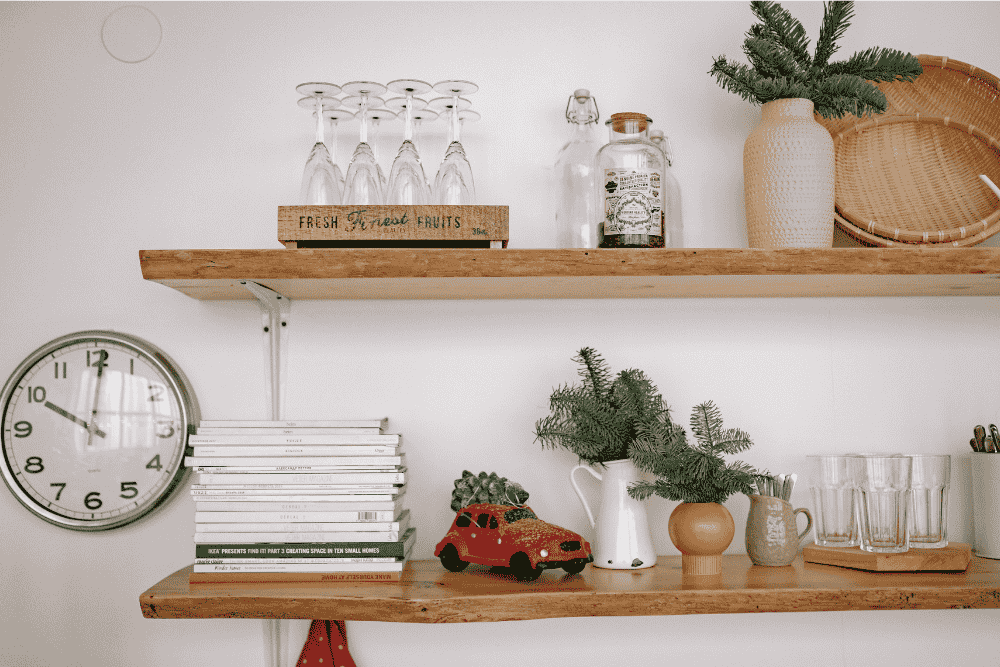
- Display family photos, books, or travel mementos.
- Choose artwork that reflects your taste and personality.
FAQs About Living Room Design
1. What’s the ideal layout for a small living room?
Keep it open by floating furniture away from walls and using multi-use pieces like ottomans and wall shelves.
2. How can I make my living room feel cozy and stylish?
Use warm lighting, soft textures, layered rugs, and personalized décor to create comfort and charm.
3. Which colors work best for a modern living room design?
Neutral tones with pops of bold colors like navy, forest green, or burnt orange add modern sophistication.
4. Is it okay to mix different furniture styles in one room?
Yes, mixing styles creates depth—as long as you maintain a cohesive color or texture theme.
5. How often should I update my living room décor?
You don’t need a full revamp—just refresh pillows, art, or throws every 1–2 years for a new look.
6. Can lighting really change a room’s atmosphere?
Absolutely. Layered lighting with adjustable brightness allows you to switch between task-focused and relaxing moods easily.