

Minimalist Home Design: Creating Simple, Elegant Spaces
In a world full of distractions, minimalist home design offers a breath of fresh air. It’s not just a style—it’s a mindset. Focusing on clean lines, uncluttered spaces, and intentional living, minimalist interiors make your home feel lighter, brighter, and more functional. Whether you’re starting fresh or simplifying your current space, minimalist home design is your path to harmony, beauty, and serenity.
Let’s explore the essential principles, design strategies, and practical tips for creating a home that’s both minimalist and meaningful.
Understanding Minimalist Home Design
What Is Minimalist Home Design?
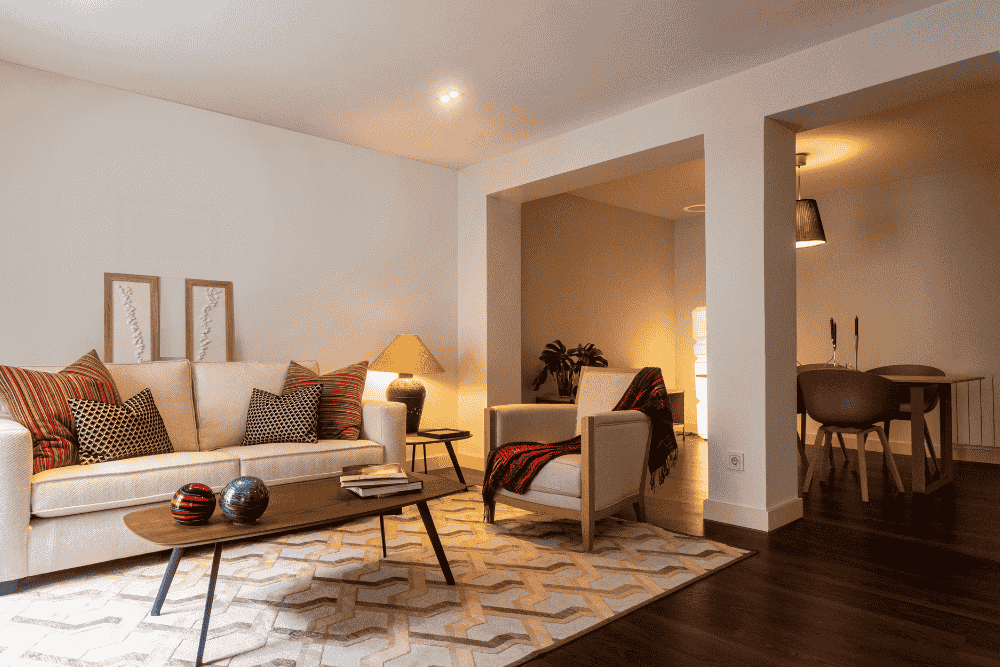
Minimalist home design is a style that emphasizes simplicity, function, and calm. It avoids clutter, highlights essential features, and favors open layouts.
This design approach draws from:
- Japanese Zen aesthetics
- Scandinavian functionality
- Modern architecture
Together, they create a look that’s both refined and relaxing.
Key Traits of Minimalist Homes
- Neutral color schemes
- Streamlined furniture
- Natural materials like wood, linen, and stone
- Minimal decor with maximum impact
Core Concepts That Define Minimalist Living
1. Simplicity Over Excess
The goal is to eliminate distractions and highlight essentials. This includes both physical items and visual clutter.
2. Functional Design
Every piece of furniture and decor should have a purpose—form follows function.
3. Quality Over Quantity
Instead of filling your home with many inexpensive items, invest in fewer, better-quality pieces that stand the test of time.
4. Open and Airy Layouts
Designs should feel breathable, with plenty of negative space to allow each element to shine.
Choosing a Minimalist Color Palette
Neutral Base Colors
Start with whites, greys, soft taupes, and beiges to create a clean backdrop.
Add Earthy Accents
Use subtle greens, muted blues, or terracotta tones in pillows, rugs, or artwork.
Balance With Texture
If the palette feels too flat, add depth with contrasting textures like:
- Brushed metal
- Raw wood
- Natural fabrics
Furniture and Decor in Minimalist Home Design
Select Timeless Pieces
Stick to modern, sleek lines and avoid overly ornate designs.
Prioritize Multi-Functionality
Look for:
- Storage ottomans
- Folding tables
- Built-in shelving
Minimal Decor, Maximum Impact
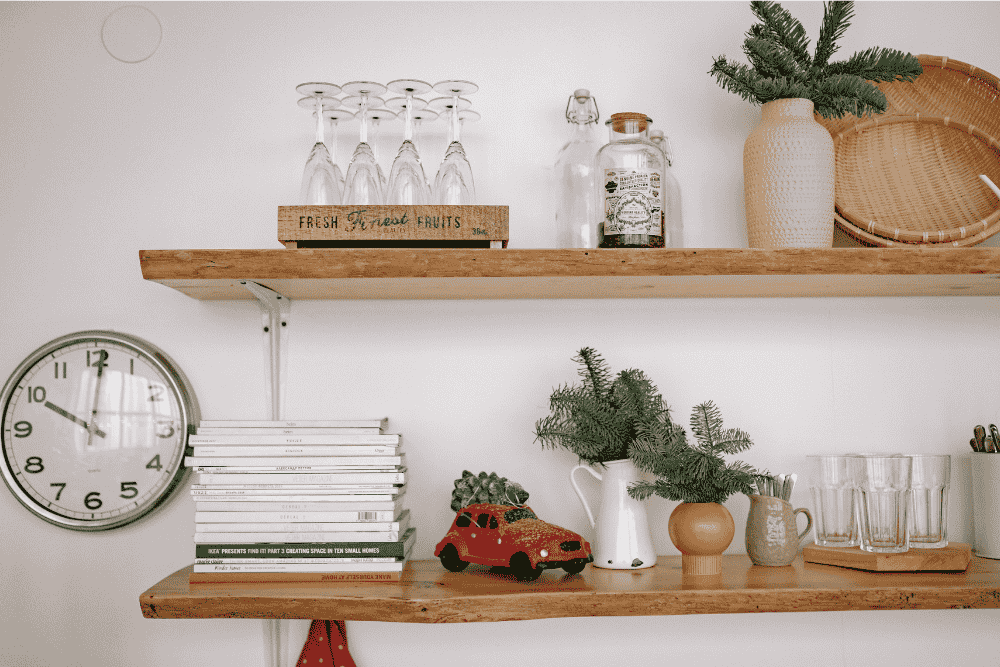
Less truly is more. One large art piece or a sculptural lamp can set the tone for an entire room.
Creating Functional and Open Layouts
Design Zones Without Walls
Use rugs or lighting to define areas like dining, lounging, or working without needing to erect dividers.
Embrace Space
Keep furniture away from walls to give the illusion of spaciousness.
Incorporate Built-in Storage
This keeps items out of sight but easily accessible—perfect for a clutter-free life.
Advantages of Minimalist Home Design
1. Stress Reduction
Calm spaces lead to calm minds.
2. Easy Maintenance
Fewer items = less cleaning and upkeep.
3. Cost Savings
You’ll spend less on unnecessary decor and trendy furniture.
4. More Freedom
Minimalism frees up physical and mental space for what really matters—relationships, hobbies, and rest.
Avoiding Common Mistakes in Minimalist Interiors
1. Over-Simplifying
Going too bare can make a space feel lifeless. Incorporate personal touches.
2. Ignoring Texture and Warmth
Balance clean lines with cozy textiles and natural finishes.
3. Cluttering With “Minimalist” Decor
Even simple decor can be excessive if overused. Stick to a few thoughtful pieces.
4. Poor Lighting
Layered lighting—ambient, task, and accent—helps soften stark spaces and improve function.
Frequently Asked Questions About Minimalist Home Design
1. What is the first step in transitioning to a minimalist home?
Start with decluttering. Remove items you don’t use or love, then gradually introduce minimalist design elements.
2. Can minimalist design work in small apartments?
Yes, in fact, it’s ideal. Minimalism helps maximize functionality in compact spaces.
3. Do I have to get rid of all my stuff?
No. Keep items that serve a purpose or bring joy, and store them smartly.
4. Is minimalist design boring?
Not at all. It’s about creating beauty through simplicity and intentional choices—not lack of character.
5. How can I add personality to a minimalist home?
Through art, curated decor, and textures like wood, linen, or stone.
6. Is minimalist design expensive to maintain?
Not really. Though initial investments may be higher, minimalist homes typically require less maintenance and fewer replacements.