

Modern Interior Design: Ideas for Stylish Living Spaces
Modern interior design is a timeless aesthetic that emphasizes minimalism, clean lines, and functional living. It’s perfect for anyone who wants a clutter-free home that still feels inviting and elegant. Within the first few steps of planning, you’ll notice that modern interior design isn’t just a trend—it’s a lifestyle choice that balances beauty and purpose.
It draws from early 20th-century design movements, including Bauhaus and mid-century modern styles. These influences bring harmony, balance, and intentionality to every corner of the home.
Key Elements of Modern Interior Design
Minimalism with Purpose
Simplicity is at the heart of modern interiors. That means fewer items, more open space, and a focus on functionality. Items aren’t just beautiful, they serve a purpose.
Open Floor Plans
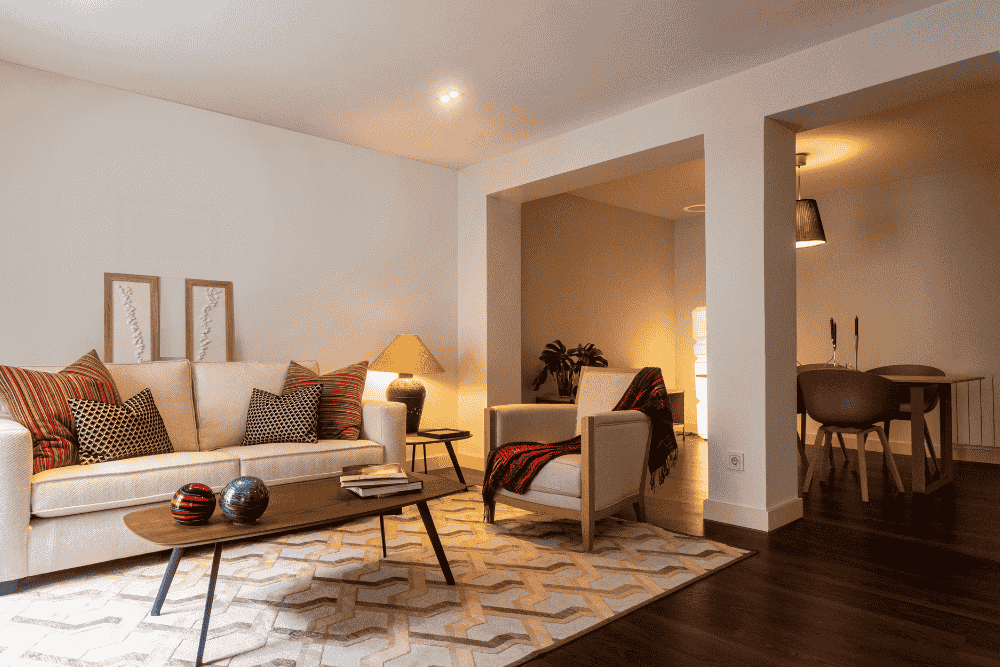
The design often eliminates walls that separate the kitchen, dining, and living areas. This makes the home feel more expansive and social.
Natural and Industrial Materials
Modern design frequently uses wood, steel, leather, and concrete to bring depth and character to a space.
Geometric Shapes and Clean Lines
Whether in furniture, rugs, or lighting, geometric elements create structure and visual interest.
Modern Color Palettes That Set the Mood
Neutral Tones for Calm Spaces
Whites, greys, and earth tones dominate. They create a calm, uncluttered backdrop that complements modern design.
Accent Colors to Add Personality
Modern doesn’t mean boring. Use bold colors like teal, mustard, or navy sparingly through cushions, rugs, or art pieces.
Consistency Across Rooms
Keeping a uniform color palette throughout your home helps reinforce the sleek, cohesive modern look.
Modern Furniture: Where Comfort Meets Style
Low-Profile and Sleek Silhouettes
Furniture should feel grounded, with low backs and simple forms.
Function Over Fluff
Opt for furniture that doubles as storage or offers modular flexibility.
Material Choices That Reflect Simplicity
Glass, metal, and light wood are commonly used in modern furniture for their clean, unfussy appearance.
Lighting in Modern Interior Design
Natural Light First
Large windows, skylights, and glass doors are often incorporated to allow daylight to flood in.
Layered Lighting Systems
Combine ambient, task, and accent lighting to bring life and functionality to the space.
Statement Light Fixtures
Use a sculptural pendant or LED chandelier as a design feature in living and dining rooms.
Modern Decor and Accessories
Art That Makes a Statement
Choose bold, minimalist art—think abstract or black-and-white photography.
Simple Yet Textured Fabrics
Wool throws, linen curtains, and neutral rugs offer tactile warmth without visual clutter.
Greenery and Natural Touches
Add small potted plants, succulents, or large-leaf tropical plants for a fresh, modern vibe.
Common Mistakes to Avoid in Modern Interior Design
Overdecorating the Space
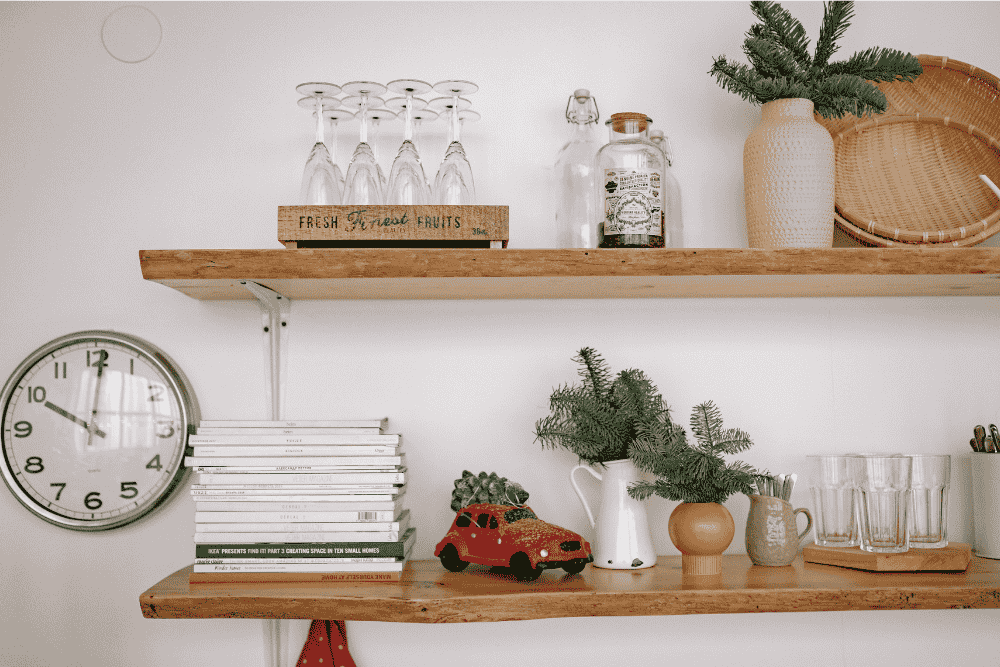
Too many items on walls or shelves make a space feel chaotic. Modern design calls for restraint.
Neglecting Texture
A fully neutral room without texture can feel cold. Mix wood, stone, metal, and fabric for balance.
Choosing the Wrong Scale
Furniture should fit the space. Oversized sofas in a small room or tiny coffee tables in a large living area ruin the flow.
Sacrificing Comfort
Never pick aesthetics over comfort—modern spaces can and should be both beautiful and livable.
FAQs About Modern Interior Design
1. What defines modern interior design?
Modern design emphasizes clean lines, neutral palettes, and a “less is more” philosophy that values functionality and simplicity.
2. Is modern interior design the same as contemporary?
No. Modern design refers to a specific historical style, while contemporary design reflects what’s current and often includes modern elements.
3. Can I add bold colors in a modern interior?
Yes, but they should be used as accents. Stick with neutral backgrounds and add color through accessories.
4. What flooring works best in modern interiors?
Hardwood, large tiles, and polished concrete are all excellent choices for modern flooring.
5. Is modern design good for families?
Definitely. Its emphasis on functionality and minimal clutter makes it ideal for active households.
6. How do I start transitioning to a modern interior?
Begin by decluttering, then update key items like lighting, wall colors, and a few furniture pieces to reflect modern principles.