

Small Space Design: Big solutions for compact homes
Living in a small space isn’t a limitation—it’s an opportunity. With a smart approach, small space design lets you create stylish, livable, and highly functional homes, even with limited square footage. The secret lies in maximizing utility without sacrificing aesthetics.
From strategic layouts to multifunctional furniture, and from vertical storage to personalized touches, this guide offers everything you need to make your compact home feel spacious and comfortable.
Understanding the Power of Small Space Design
Why Square Footage Isn’t Everything
Design isn’t just about size—it’s about how space feels and flows. Even a modest floor plan can be elevated into something cozy, organized, and elegant by focusing on key principles like light, layout, and multifunctionality.
How Design Affects Mindset
Studies show that clutter and cramped layouts can impact mental clarity and productivity. Well-planned small space design enhances well-being by promoting order, openness, and peace of mind.
Smart Layouts for Seamless Flow
Zoning in Open Areas
Use rugs, lighting, or furniture placement to define zones. For example:
- Living area: Centered with a rug and a compact sofa.
- Work zone: Defined by a wall-mounted desk and chair.
- Dining space: Demarcated using lighting or a small table near the kitchen.
Furniture Placement Matters
Avoid pushing everything against the walls. Floating key pieces—like a sofa or island—can encourage a better flow and a more natural, grounded design.
Using Light and Color to Expand Perception
Letting the Light In
Natural light creates a sense of depth and openness. Use:
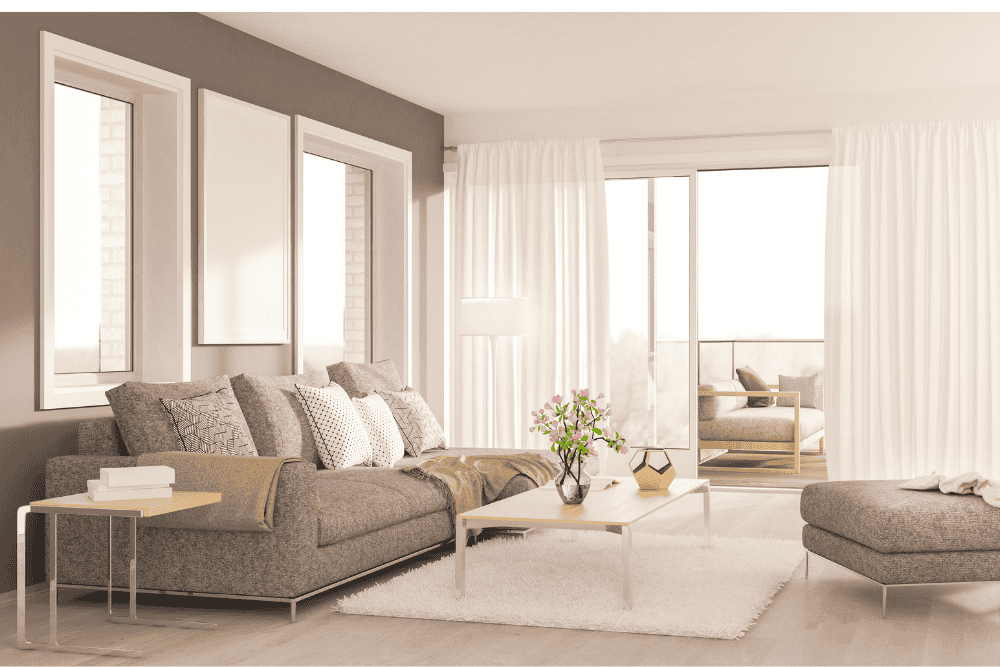
- Sheer curtains instead of heavy drapes.
- Reflective surfaces like glass, mirrors, and metals.
- Layered lighting (ceiling lights, floor lamps, wall sconces).
The Right Color Palette
Stick with neutral, light colors like whites, creams, soft blues, or light grays. These colors reflect light and visually expand the space.
Pro Tip: Use a monochromatic scheme to create visual continuity and harmony throughout the room.
Multifunctional Furniture: Small Footprint, Big Function
Best Space-Saving Furniture Ideas
Smart furniture makes all the difference in small homes. Look for:
- Sofa beds and daybeds
- Drop-leaf dining tables
- Wall-mounted desks
- Storage ottomans
Investing in Custom or Modular Designs
If your space is irregular or tiny, consider custom-built solutions like modular closets or under-stair storage. They fit perfectly, maximize every inch, and often add resale value.
Thinking Vertically: Use the Height of Your Space
Vertical Storage Strategies
- Tall bookcases double as display and storage.
- Floating shelves keep surfaces clear.
- Hanging racks for kitchenware or plants.
Lofted and Elevated Furniture
For very small apartments, consider lofted beds or bunk-style configurations to reclaim floor space underneath for desks or seating.
Storage Solutions: Hide the Clutter, Maximize Calm
Hidden and Multi-use Storage Areas
- Under-bed drawers and lift-up mattresses.
- Storage benches or window seats with concealed compartments.
- Furniture with dual functions—like a coffee table with magazine racks.
Wall and Door Storage Hacks
Use the backs of doors, sides of cabinets, or even ceiling space to store lesser-used items. Pegboards and magnetic panels are also fantastic in kitchens or work areas.
Infusing Personal Style Without Overcrowding
Edit and Curate Your Decor
Choose quality over quantity. A few well-placed pieces create more visual impact than many small ones.
- One large artwork over the sofa.
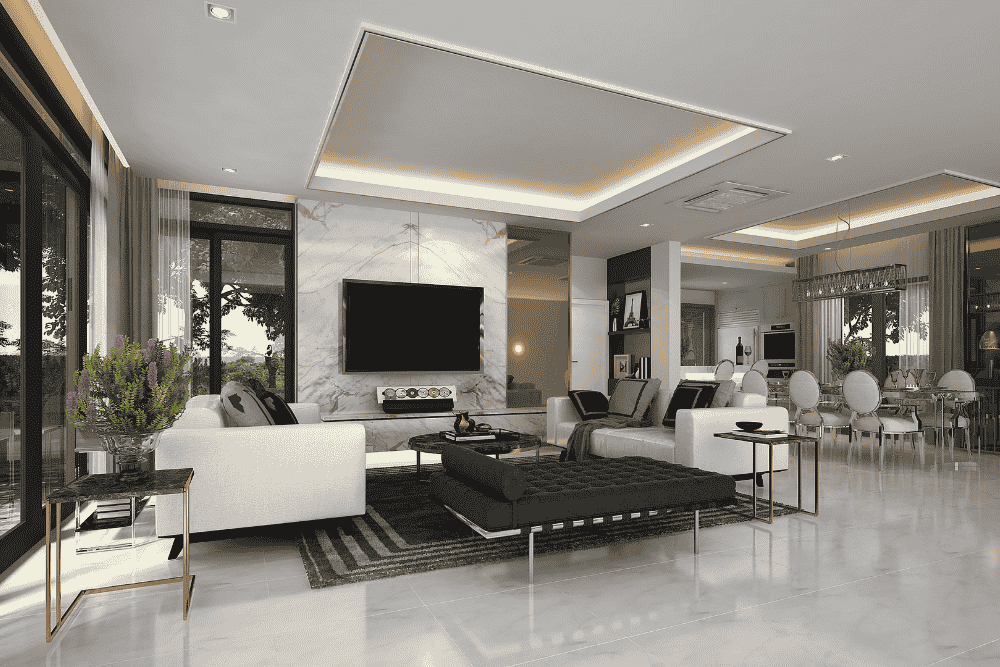
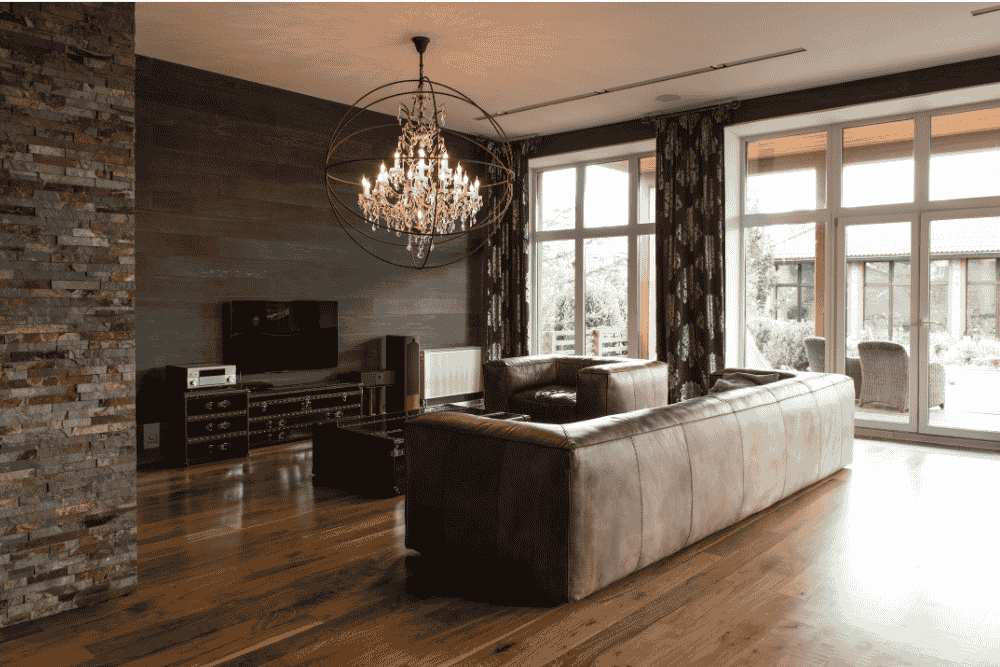
- Statement lighting like a chandelier or pendant light.
- Layered textiles—think throws and cushions—for personality and comfort.
Create a Focal Point
A focal point anchors your space. It could be:
- A fireplace (real or faux)
- A gallery wall
- A bold rug or colorful piece of furniture
This draws the eye and gives the space structure and interest.
FAQs About Small Space Design
Q1: How can I make a small room feel more open?
Use light colors, mirrors, and sheer curtains. Declutter regularly and avoid heavy, bulky furniture.
Q2: What is the best furniture for small apartments?
Multifunctional pieces like sofa beds, nesting tables, and ottomans with storage work best in compact homes.
Q3: Can I use dark colors in a small space?
Yes—use them as accent walls or small touches to add depth and richness without overwhelming the room.
Q4: How do I store items in a small bathroom or kitchen?
Go vertical: install shelves above the toilet or use wall-mounted spice racks and cabinet door organizers in the kitchen.
Q5: What’s the first step in small space design?
Start by decluttering. Measure your space, prioritize needs, and plan based on how you use your home daily.
Q6: How do I personalize my small space without overloading it?
Stick to a cohesive color palette, choose statement decor, and rotate decorative pieces seasonally to keep it fresh.
Space Planning Tips: Make Every Square Meter Count
Whether you live in a compact apartment or a spacious home, using every square meter wisely is the key to functional and beautiful living. These space planning tips will help you design layouts that support your daily activities, reduce clutter, and improve the natural flow of your home. By taking a strategic approach to space, you can transform even the most limited areas into comfortable, efficient environments.
Understanding the Importance of Effective Space Planning
Good space planning is the foundation of every well-designed room. It ensures that each area of your home serves its purpose efficiently while feeling cohesive and visually appealing.
Why Space Planning Matters
- Enhances usability of every room
- Reduces unnecessary clutter
- Improves aesthetics and comfort
- Adapts to your daily lifestyle
By thoughtfully planning the layout, even a small room can function like a much larger one. Every choice—from furniture placement to lighting—affects the way you use your space.
Assess Your Needs Before Rearranging or Renovating
Before moving a single piece of furniture, take time to assess how you use your space. This will guide your decisions and help you avoid costly mistakes.
Questions to Guide Your Planning
- What is the room primarily used for?
- Who uses it, and when?
- What storage or accessibility needs must be addressed?
Planning Tools to Help
- Sketches or graph paper layouts
- Room planner apps like Roomstyler or SketchUp
- Measuring tape and masking tape to visualize scale
Planning before acting ensures that your layout aligns with both your style and your lifestyle.
Optimize Layouts with Traffic Flow in Mind
Traffic flow is critical in every room—especially open-concept areas and shared family spaces. Without clear paths, a room can feel crowded and awkward.
Designing for Better Movement
- Keep walking paths 60–90 cm wide
- Avoid blocking doorways and windows
- Group furniture to define zones (e.g., reading, eating, lounging)
Use Visual Cues
- Rugs to define traffic paths
- Lighting to highlight functional zones
- Shelving and screens to divide open layouts without closing them off
Efficient layouts increase comfort and safety while preserving visual openness.
Smart Furniture Selection and Placement
Furniture can either enhance your space or completely dominate it. Choosing wisely and placing it strategically is one of the top space planning tips.
Tips for Choosing the Right Pieces
- Match furniture scale to room size
- Prioritize multifunctional pieces (e.g., storage ottomans)
- Opt for furniture with open legs for a lighter visual footprint
Placement Guidelines
- Allow 30–45 cm between seating and tables
- Anchor the room with a rug that fits all key pieces
- Use corner pieces to make awkward layouts functional
Flexible furniture lets your space evolve with your needs.
Maximize Storage Without Sacrificing Style
Every home needs storage, but bulky units can crowd a room and ruin its look. Thankfully, you can have both style and storage.
Creative Storage Solutions
- Floating shelves and vertical units
- Built-ins that blend with walls
- Hidden compartments in furniture
Maintaining Aesthetic Balance
- Mix open and closed storage
- Use matching bins or baskets for a tidy look
- Incorporate decorative elements alongside practical ones
When storage is well-integrated, it becomes part of the design rather than an eyesore.
Lighting and Color Tricks to Expand Visual Space
Lighting and color affect how large or small a space feels. With the right approach, you can make tight rooms feel open and welcoming.
Color Choices That Open Up Rooms
- Light neutrals: white, beige, soft gray
- Cool hues like pale blue or green
- Monochrome palettes to unify elements
Lighting Tactics
- Use multiple light sources: ceiling, task, and accent
- Reflect light with mirrors and glossy surfaces
- Let in as much natural light as possible with sheer curtains
The right light and color combination enhances comfort and creates an illusion of space.
Common Space Planning Mistakes and How to Avoid Them
Even the most beautiful spaces can fall short if poorly planned. Avoiding common mistakes ensures your layout is functional and harmonious.
Top Mistakes to Avoid
- Choosing furniture that’s too large
- Forgetting traffic flow paths
- Overloading rooms with decor or furniture
- Ignoring natural light sources
How to Fix Them
- Always measure before buying
- Leave breathing space around key furniture
- Declutter and prioritize function
- Use mirrors and layout changes to boost light
Simple corrections can greatly enhance how your space looks and feels.
FAQs about the Small Space Design Concept
1. What is space planning in interior design?
Space planning is the strategic arrangement of furniture, decor, and functions to optimize how a space is used.
2. How do I make a small room feel bigger?
Use light colors, mirrors, and multi-purpose furniture. Avoid overcrowding and ensure clear walkways.
3. What tools help with space planning?
Apps like Roomstyler, Planner 5D, and even grid paper with scaled cutouts can help you visualize layout changes.
4. What’s a good rule of thumb for traffic flow?
Maintain at least 60–90 cm of clear walking space around furniture and through rooms.
5. Can space planning affect my productivity?
Yes. A well-planned workspace minimizes distractions and improves comfort, directly impacting productivity.
6. Should I hire a professional for space planning?
If you’re doing a major renovation or struggling with layout challenges, a designer can offer valuable insights and save you time and money.